

News

Youth unemployment is up, and teens are feeling it most
Recent economic slowing and the rise of AI are reshaping the labor market for young adults. The entry-level market for recent college graduates has tightened and teen unemployment continues to climb.

Louisville’s job market has been weaker than initially reported
Louisville's job market was weaker in 2025 than initially reported, with revised federal data showing 10,000 fewer jobs in the region than earlier estimates suggested. Employment fell back to 2023 levels, erasing all gains made in the first half of 2024. Healthcare was a bright spot, adding nearly 2,000 jobs, but growth in a handful of industries wasn't enough to offset broader losses.

Where are workforce services most needed in our region?
Using data from recent Census surveys, this map series provides geographic detail on the region’s adults who would likely benefit from career services, including the unemployed, the working poor, and those with limited levels of education.

Louisville Region’s Labor Market: 2024 Highlights
The regional economy showed signs of softening in 2024. Higher interest rates set by the Federal Reserve achieved their intended purpose of slowing the economy to reduce inflation. The economy entered the current turbulent policy environment from an already weakened position. It has been especially difficult for people entering the labor market, particularly among young workers. Let’s review how the regional economy performed in 2024.
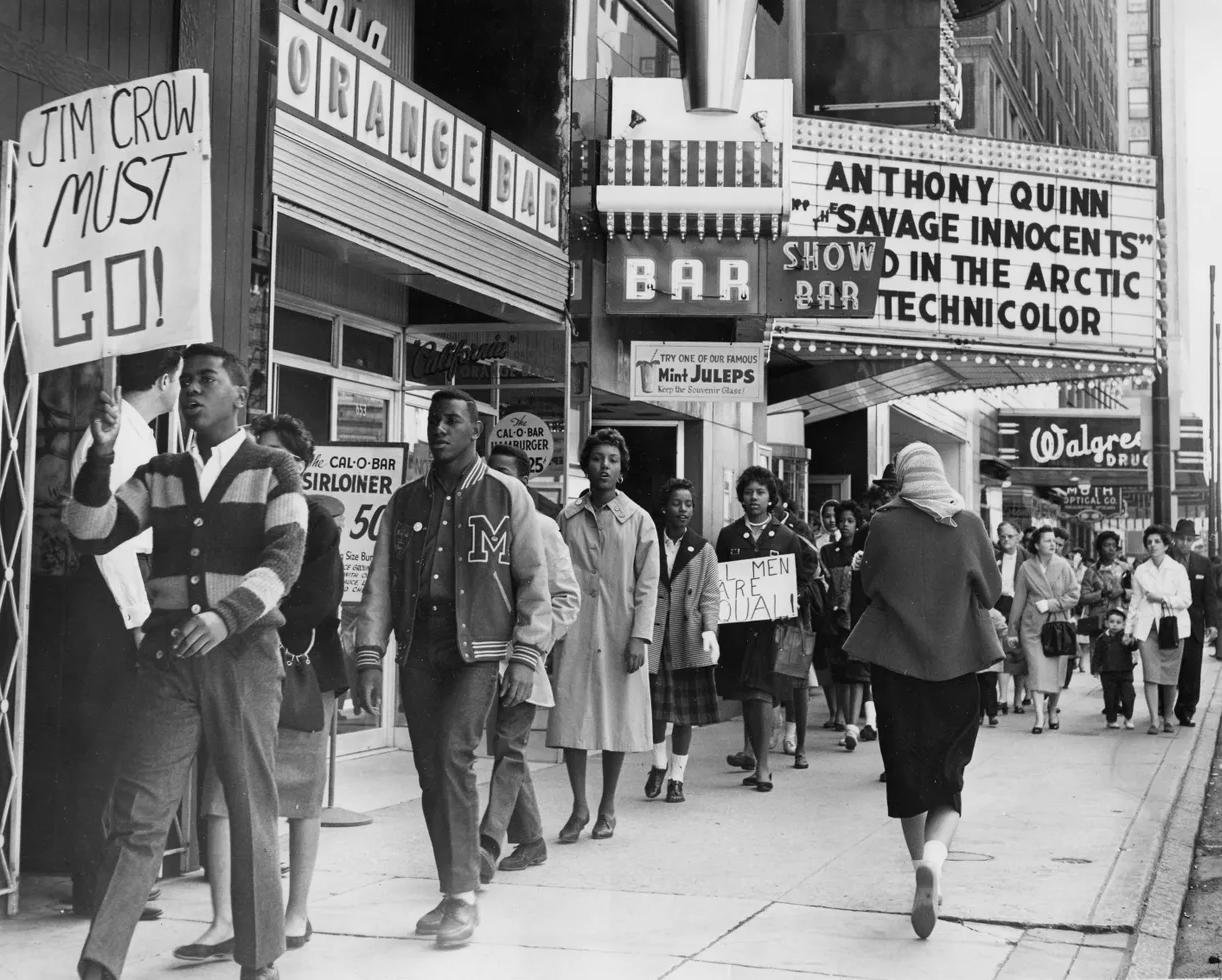
The lasting impact of federal policy and discrimination on Black workers in the Louisville region
As we celebrate Black History Month and this year’s theme of African Americans and Labor, it’s important to call attention to the policies that limited Black workers’ access to quality employment in the past, and how the impact of those policies can still be seen in the unequal labor market outcomes across our region today.